General & Preventive Dentistry · Dental Sealants
Dental Sealants in Centennial, CO: Cavity Protection for Kids
Back molars are the hardest teeth to keep clean. Their deep grooves trap food and bacteria in spots a toothbrush can barely reach, which is exactly why kids get so many cavities there. At Shroff Dental Arts, dental sealants in Centennial, CO are one of the simplest things Dr. Shroff recommends to help kids avoid those cavities in the first place. Most major PPO plans are accepted, and for families without insurance, the Child Complete membership plan is available at $35 per month.
Why Dental Sealants Are One of the Smartest Cavity-Prevention Moves for Kids
A sealant is a thin, plastic coating painted onto the chewing surface of back teeth. It fills in the tiny pits and grooves where decay tends to start and creates a smooth surface that is much easier to clean. Think of it as a shield your toothbrush can actually cover.
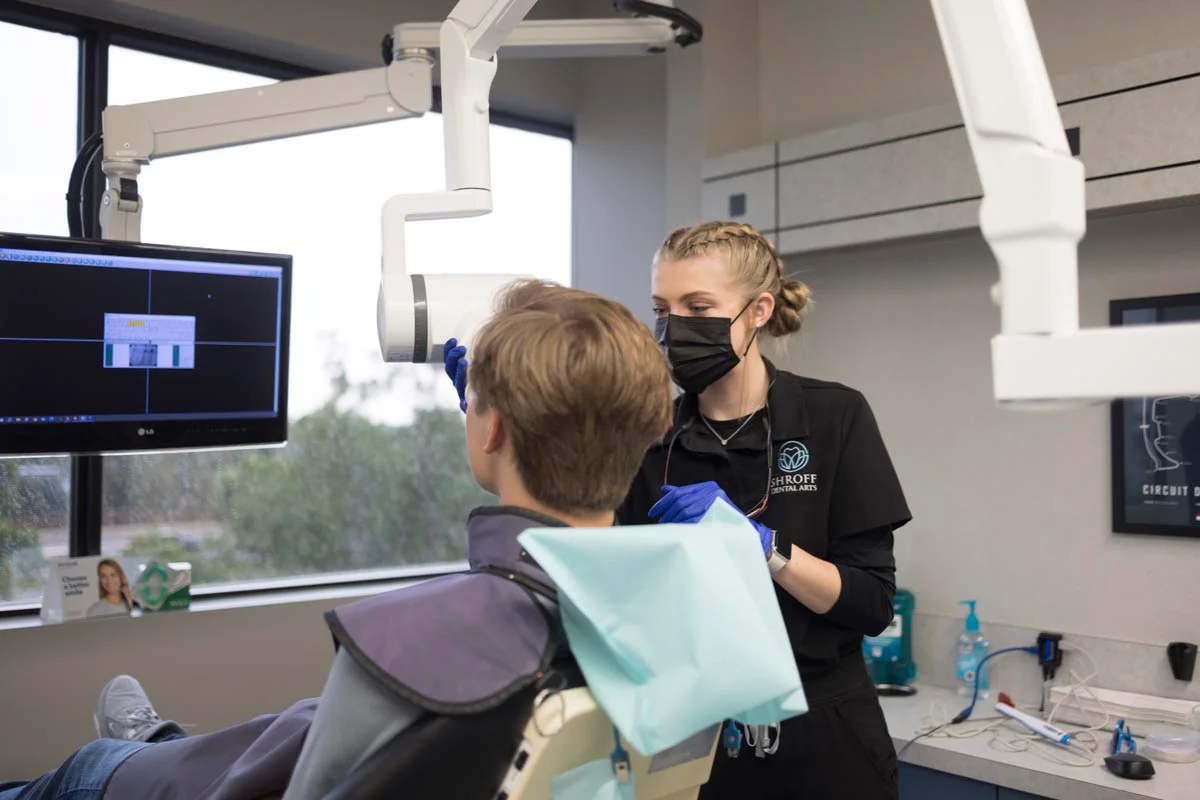
Back molars are the highest-risk teeth for a reason: they come in early, they do most of the chewing, and their uneven surfaces collect debris throughout the day. Cavity prevention sealants work by sealing off those surfaces before decay has a chance to take hold. The procedure takes just a few minutes per tooth and does not require any drilling.
For children who are already doing well with brushing and flossing, sealants add a layer of protection that daily habits alone cannot always provide. They are part of the same-visit preventive care Dr. Shroff offers alongside exams, cleanings, and fluoride treatment.
Who Is a Good Candidate for Sealants?
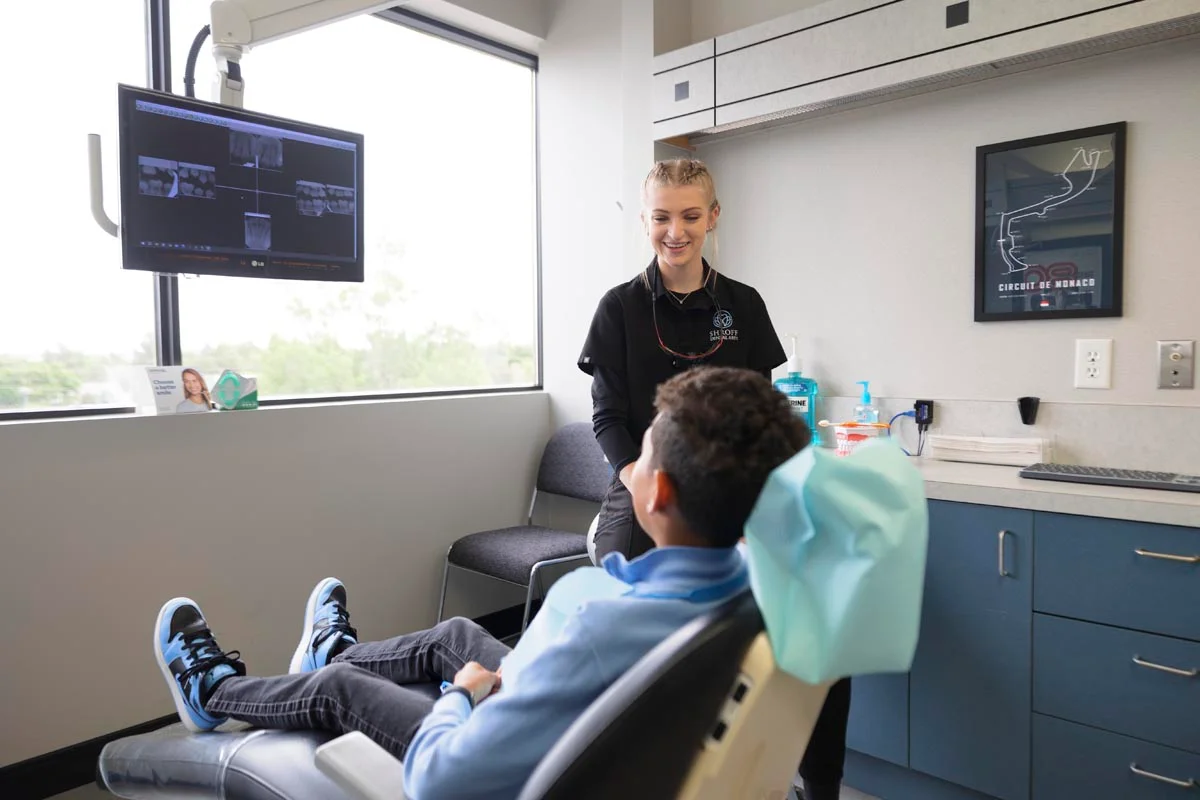
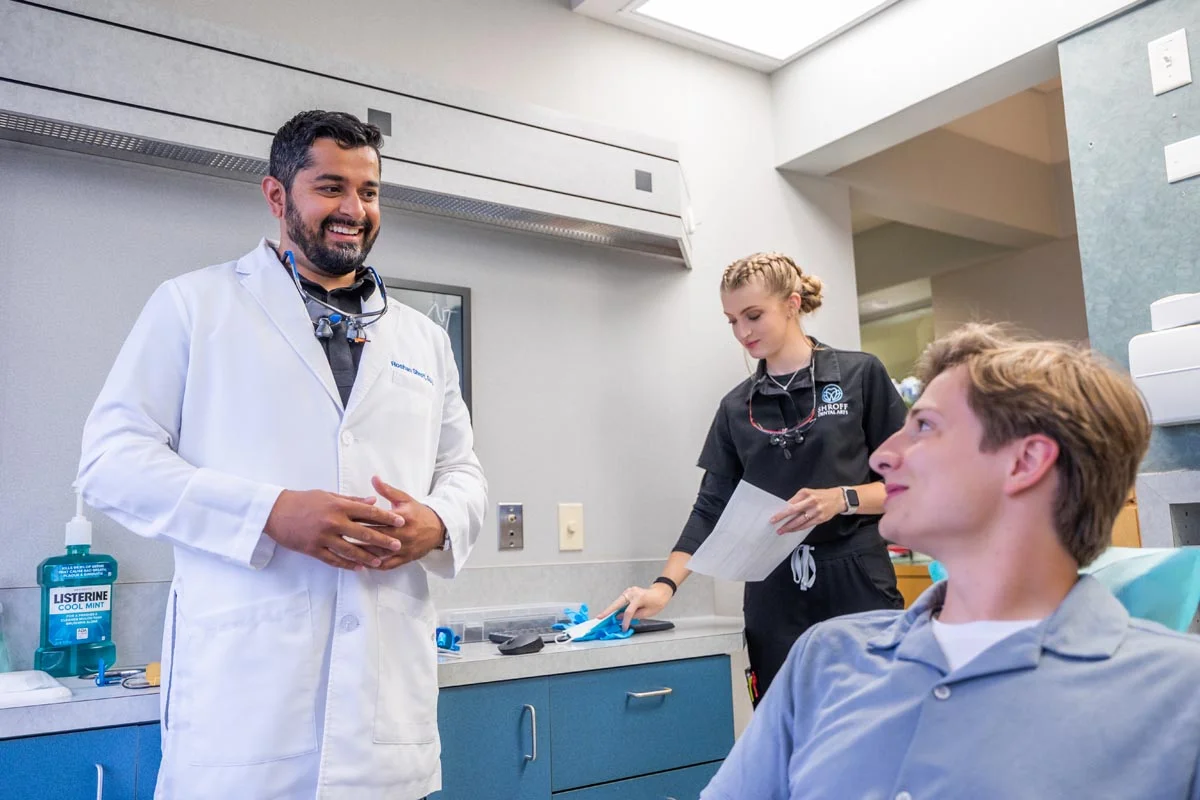
Children are the primary candidates, typically once the permanent molars come in. The first set usually arrives around age six, and the second set around age twelve. Applying sealants shortly after those teeth erupt gives them the best chance of staying cavity-free through the years when diet and brushing habits are still developing.
That said, sealants are not only for kids. Adults who have deep grooves in their back molars and have not yet had decay in those teeth may also be good candidates. Dr. Shroff can take a look during a routine visit and let you know whether sealants make sense for your situation.
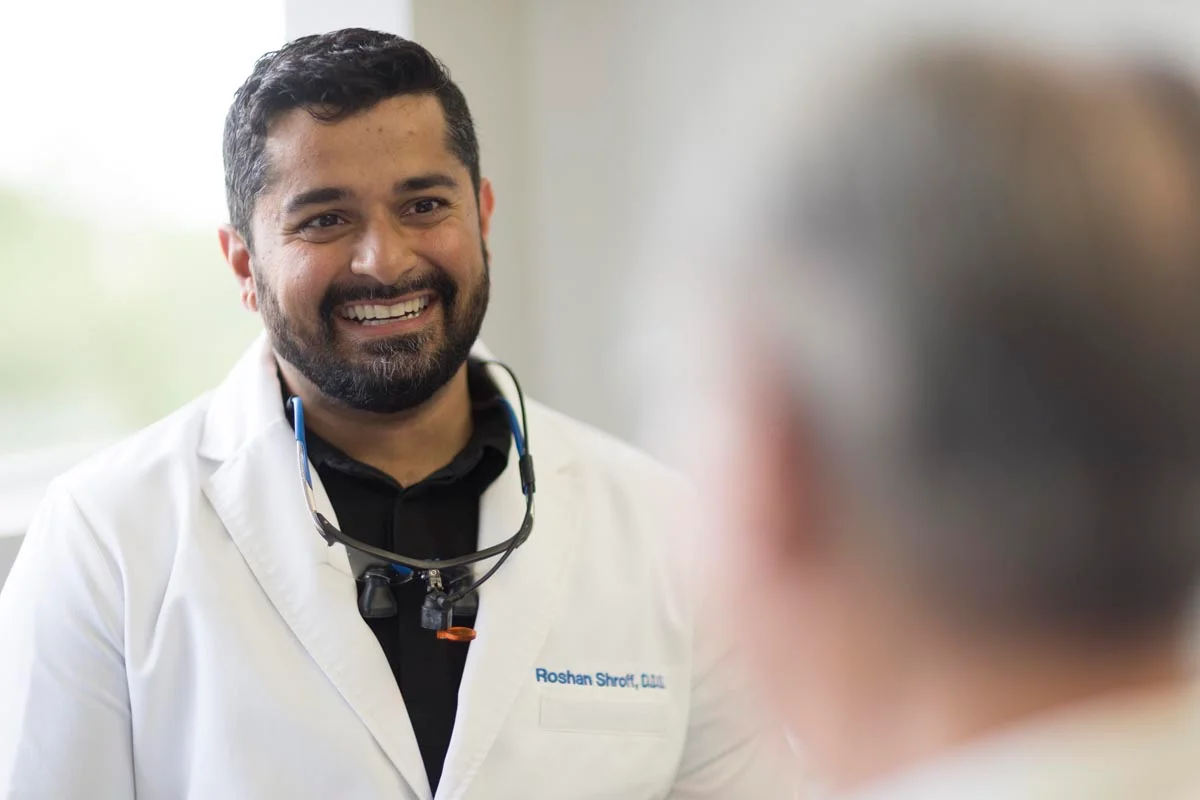
Children's dental sealants in Centennial are a natural fit within the broader children's dentistry care Dr. Shroff provides. He explains how sealants work to both you and your child, and because he sees your child at every visit, he can track how well the sealants are holding up over time.
What to Expect at Your Sealant Appointment
The appointment is straightforward and easy for kids to handle. Here is what happens, step by step:
Cleaning the tooth. Dr. Shroff thoroughly cleans and dries the tooth so the sealant will bond properly.
Applying the conditioning solution. A mild gel is placed on the chewing surface briefly to help the sealant grip, then rinsed off and the tooth is dried again.
Painting on the sealant. The liquid sealant material is brushed into the grooves of the tooth.
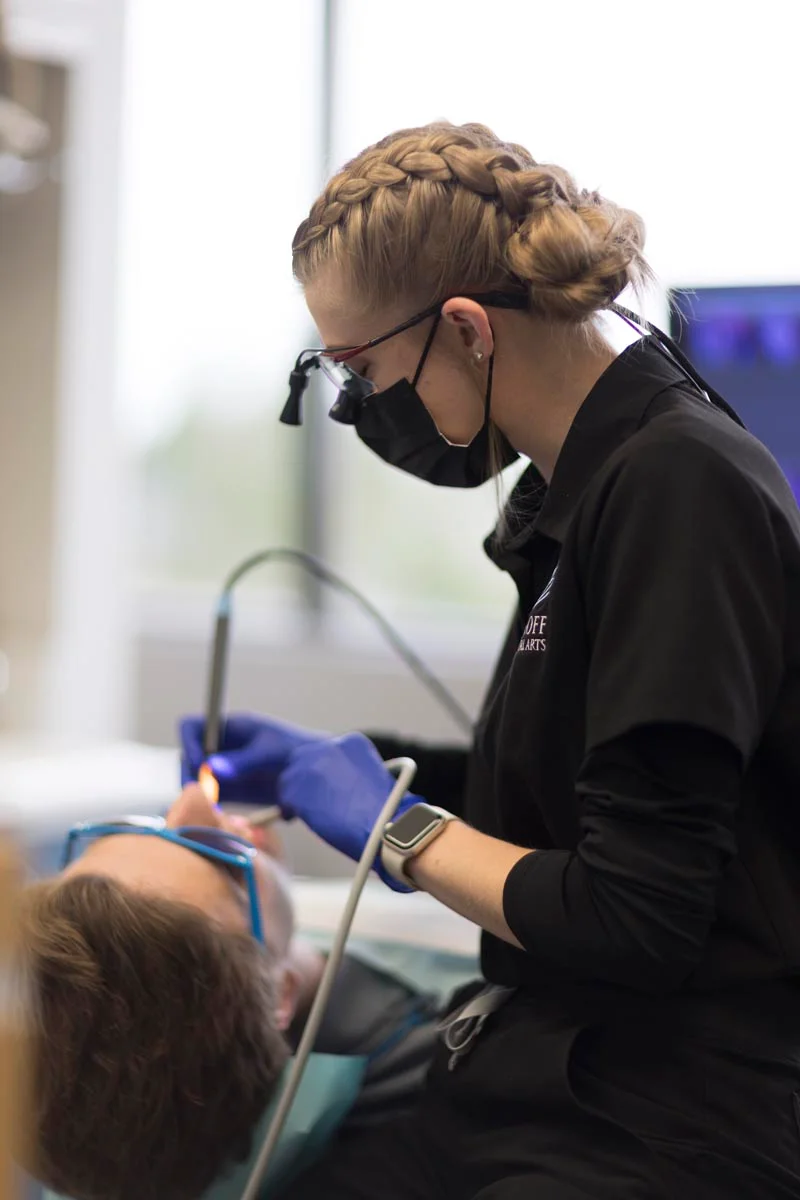
Curing with a light. A small curing light hardens the sealant in seconds.
Checking the bite. Dr. Shroff checks how the sealant feels when your child bites down and smooths out any rough spots.
The whole process takes just a few minutes per tooth. There are no needles, no drilling, and no downtime. Most kids leave the appointment without giving it a second thought.
How Long Do Sealants Last, and What Happens If You Skip Them?
How Long Sealants Typically Last
Sealants are designed to hold up well through normal chewing and daily brushing. How long any sealant lasts depends on the tooth's location, your child's bite, and how well the application bonded at placement. Dr. Shroff checks sealant condition at every routine exam and can address any chips or wear before they leave a gap in coverage.
What Happens When Cavity-Prone Teeth Go Unprotected
Without a sealant, the deep grooves in back molars stay open. Bacteria settle in, acid builds up, and a cavity forms. A small cavity can be handled with a filling. But decay that is not caught early can reach the inner part of the tooth, where treatment becomes more involved and more uncomfortable for a child. Protecting those teeth now is a straightforward step that costs far less in time and discomfort than treating decay later.
You can read more about the full range of general and preventive dentistry services available at the practice, including what is typically covered by insurance.
Frequently Asked Questions About Dental Sealants
Do sealants hurt? What does the procedure feel like?
Sealants do not require any drilling or injections. The tooth is cleaned and dried, a mild conditioning solution is applied, then the sealant material is painted on and hardened with a small curing light. Most kids describe it as feeling like a tooth cleaning, mild and quick.
Are sealants covered by dental insurance in Centennial?
Many PPO plans cover sealants for children, though coverage ages and frequency limits vary by plan. Shroff Dental Arts accepts Delta Dental, Cigna, Aetna, MetLife, UnitedHealthcare, Anthem BC/BS, Guardian, and other major PPO carriers. For families without insurance, the Child Complete membership plan is available for $35 per month and includes two exams and cleanings per year plus a 10% discount on other treatments.
Can adults get dental sealants, or are they only for children?
Adults can benefit from sealants too, especially when their back molars have deep grooves that are hard to clean thoroughly. Dr. Shroff can assess whether sealants make sense during a regular exam. The procedure is the same for adults as it is for kids.
How do I know if my child's sealants are still intact?
Dr. Shroff checks sealant condition at every routine exam. Sealants can chip or wear over time, and catching that early means a simple touch-up rather than waiting for a cavity to form. Regular checkups are the best way to make sure the protection is still doing its job.
Visit Us in Centennial
Schedule Your Child's Sealant Appointment in Centennial
A sealant visit is quick, painless, and one of the easiest preventive steps you can take for your child's teeth. Call the office and Dr. Shroff will let you know exactly which teeth could benefit before anything is applied.