Restorative Dentistry · Root Canal Therapy
Root Canal Therapy in Centennial, CO: Save Your Natural Tooth
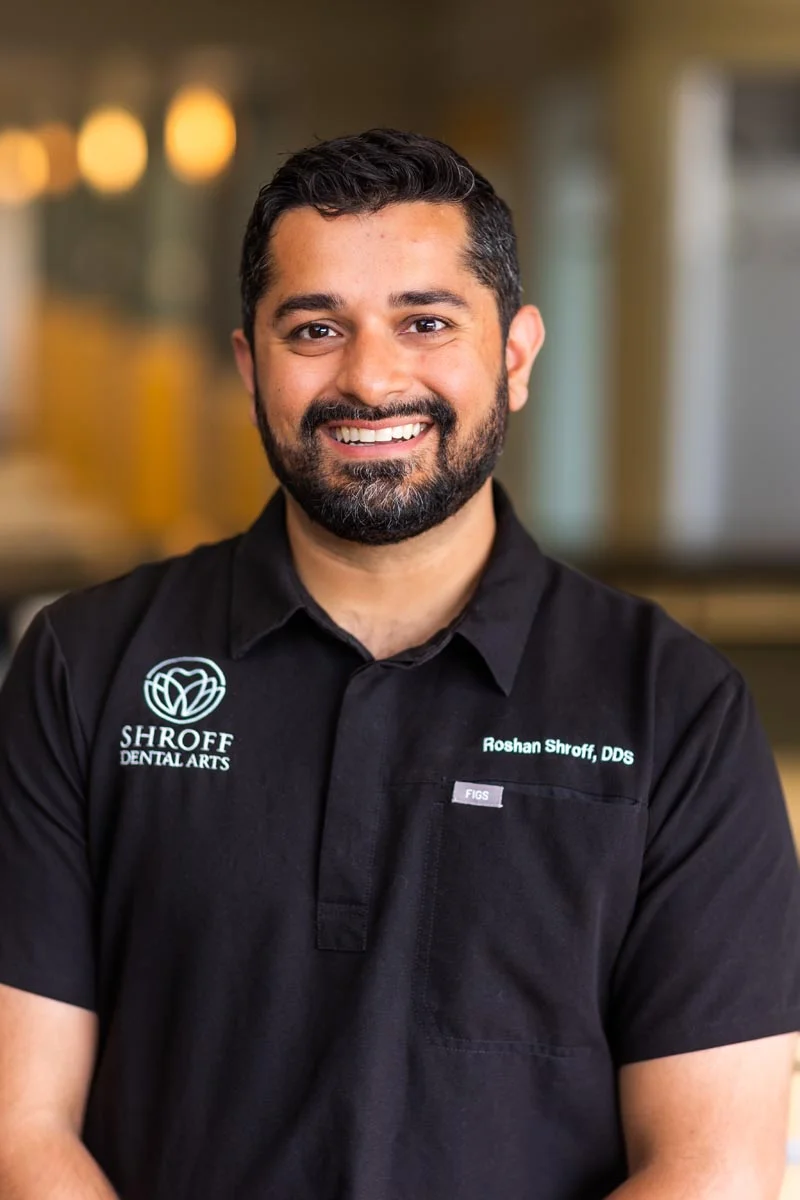
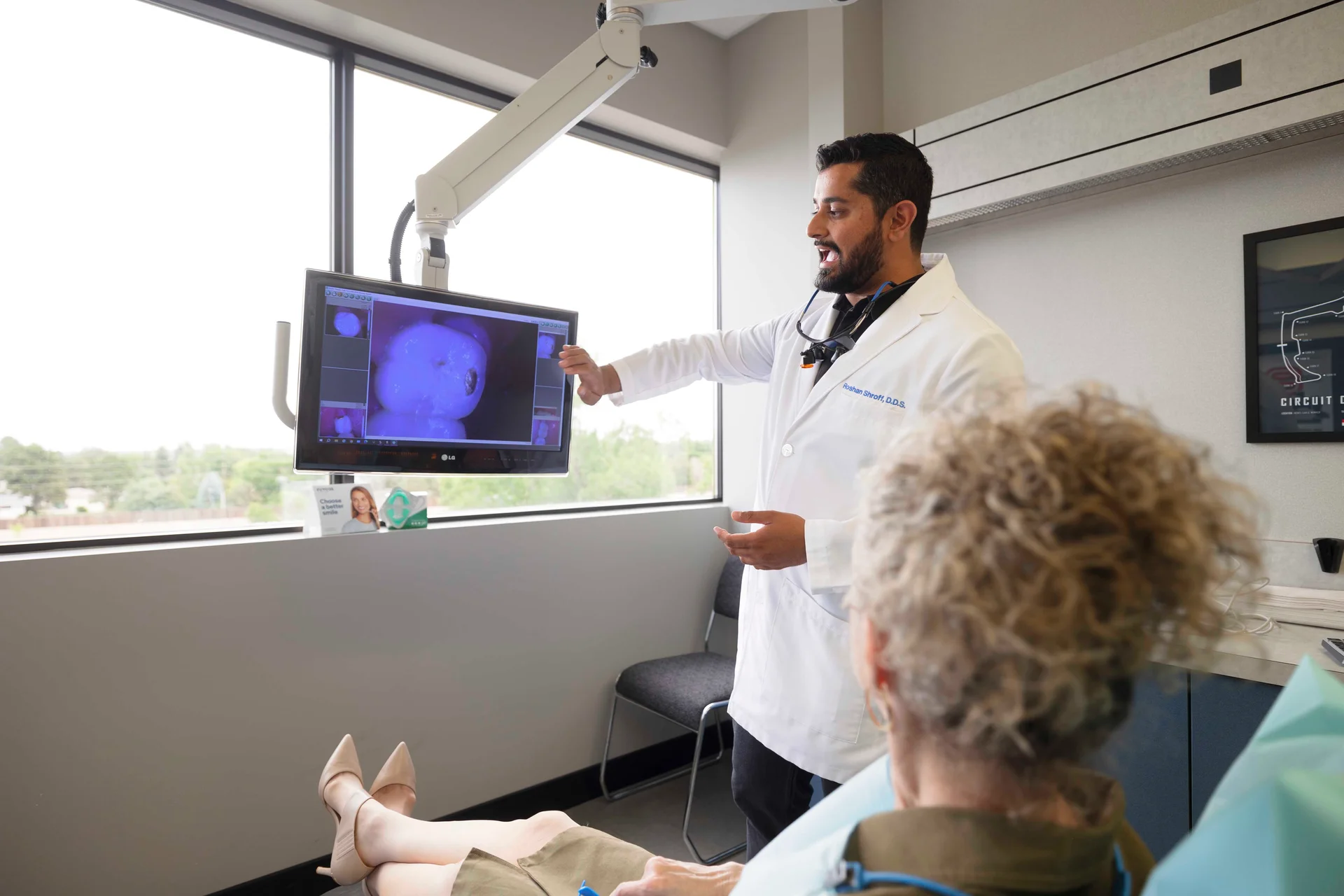
The words "root canal" still make a lot of people nervous. That reputation is outdated. Today, root canal therapy is a routine procedure designed to stop pain from an infected tooth, not cause it. At Shroff Dental Arts, Dr. Shroff handles both the evaluation and the treatment himself, so the dentist who explains what is happening is the same person who takes care of it. Most major PPO plans are accepted, and the office welcomes new patients who need to be seen promptly.
Why Root Canal Therapy Is the Right Call for an Infected Tooth
When bacteria work through a cavity deep enough to reach the pulp, the soft tissue inside the tooth becomes infected or inflamed. That infection is what causes the throbbing pain, sensitivity, and swelling patients often describe. Removing the infected pulp through root canal therapy ends that pain and keeps the natural tooth in place.
Saving the original tooth matters more than it might seem. Natural teeth are better at biting and chewing than any replacement. They also help maintain the bone and spacing around them. A root canal preserves all of that, usually in one or two appointments.
What Happens If You Skip Treatment
An infected tooth does not heal on its own. Left alone, the infection can spread to the surrounding bone, reach adjacent teeth, and develop into a dental abscess, a painful pocket of infection that may require more involved care to resolve.
Eventually, the tooth may become too damaged to save, leaving tooth extraction as the only option. At that point, replacing the missing tooth with an implant or bridge involves more time, more appointments, and higher overall cost than treating the infection early. Getting care promptly is almost always the simpler path. You can also read more about how to weigh these options in the blog post Should I Get a Root Canal or Tooth Extraction?
What to Expect During Root Canal Treatment at Shroff Dental Arts
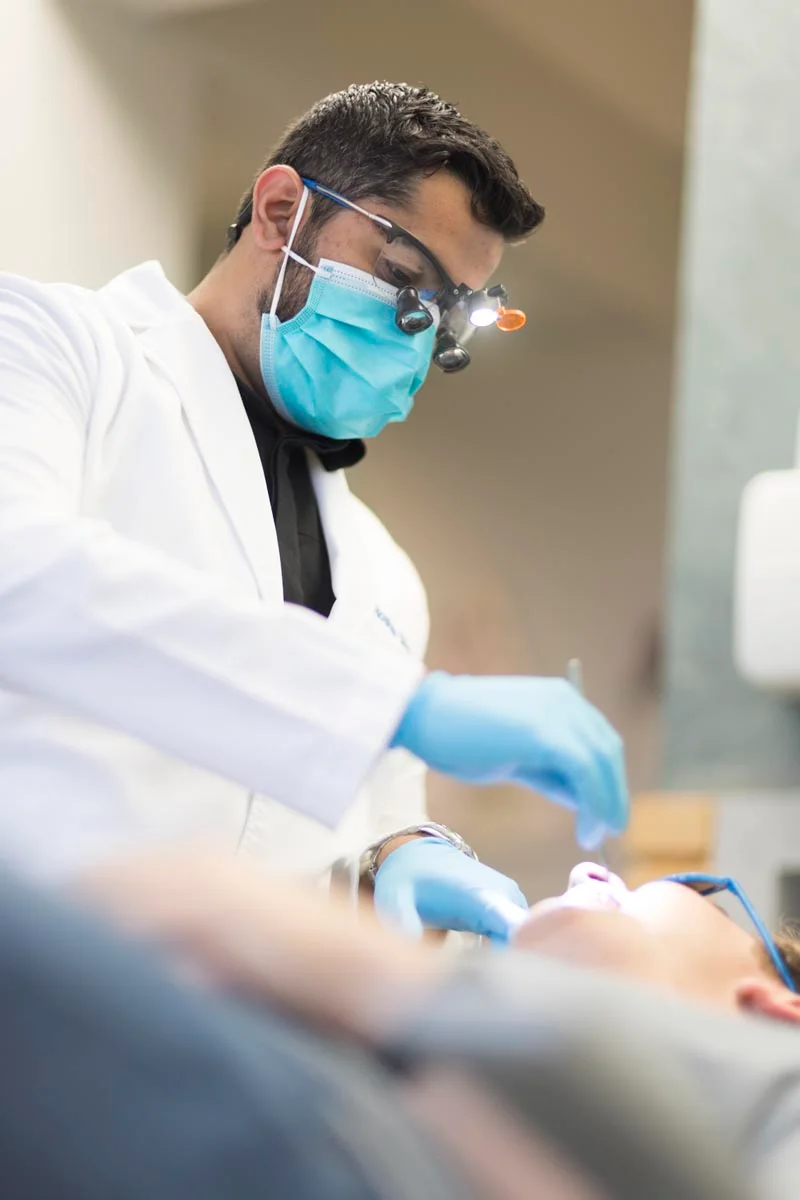
Root canal therapy in Centennial, CO at this practice follows a clear sequence. Knowing what each step involves takes away most of the uncertainty.
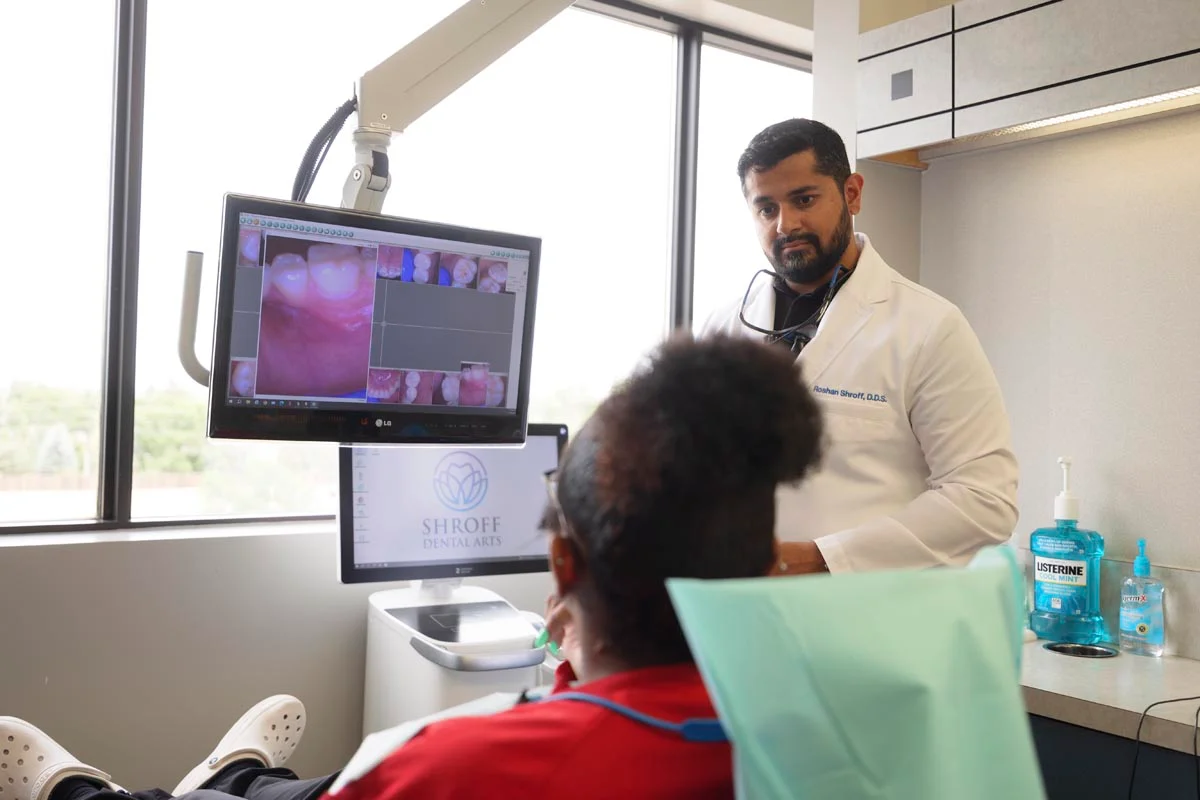
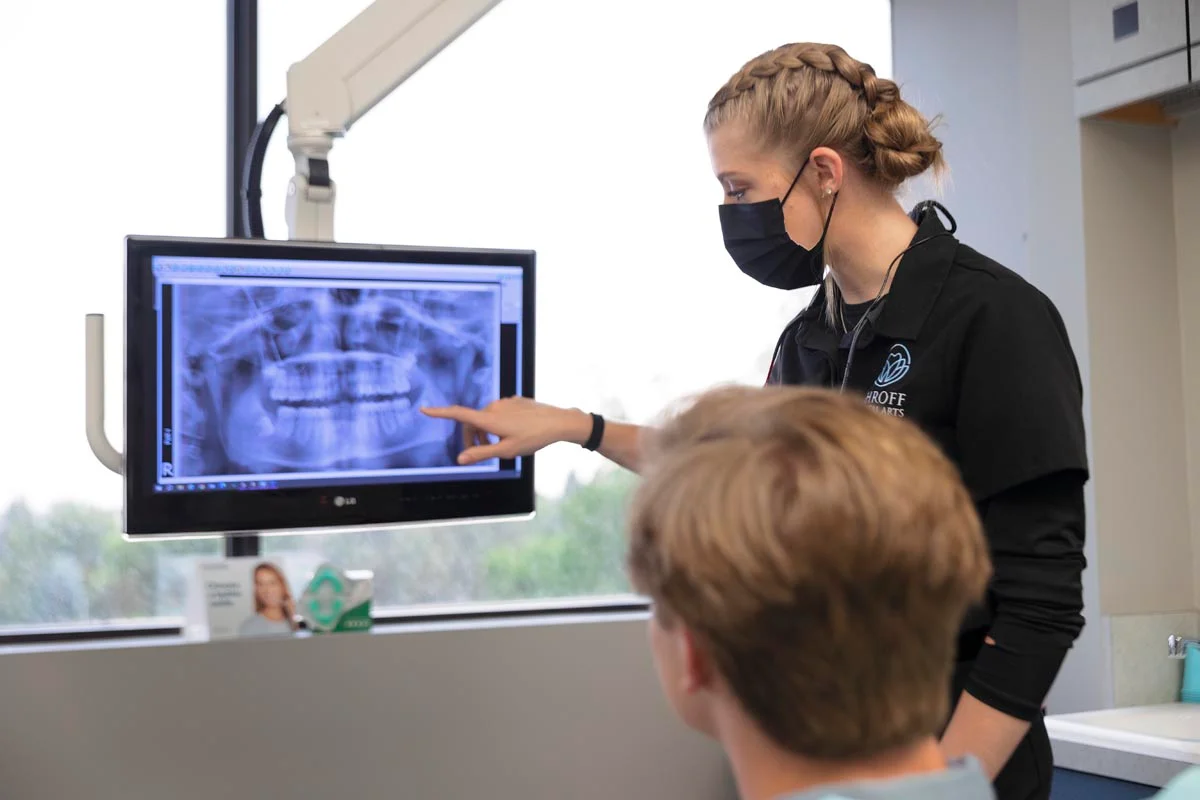
Diagnosis. Dr. Shroff reviews digital X-rays and examines the tooth to confirm the infection and map out the treatment.
Anesthesia. The area is numbed thoroughly before any work begins. Most patients feel pressure but not pain.
Accessing the pulp. A small opening is made in the crown of the tooth to reach the inner chambers.
Removing the infected tissue. Specialized instruments clear the infected pulp from each root canal.
Cleaning and shaping. The now-empty canals are cleaned, shaped, and disinfected to remove bacteria.
Sealing the canals. A rubber-based dental filling material fills and seals the cleaned canals to prevent reinfection.
Restoring the tooth. In most cases, a crown is placed over the treated tooth to protect it from cracking. Because the practice uses CEREC technology, that same-day crown can often be designed and placed during the same visit rather than requiring a second appointment and a temporary.
If you feel anxious about any part of this process, sedation dentistry options including nitrous oxide and oral conscious sedation are available. Just mention it when you call.
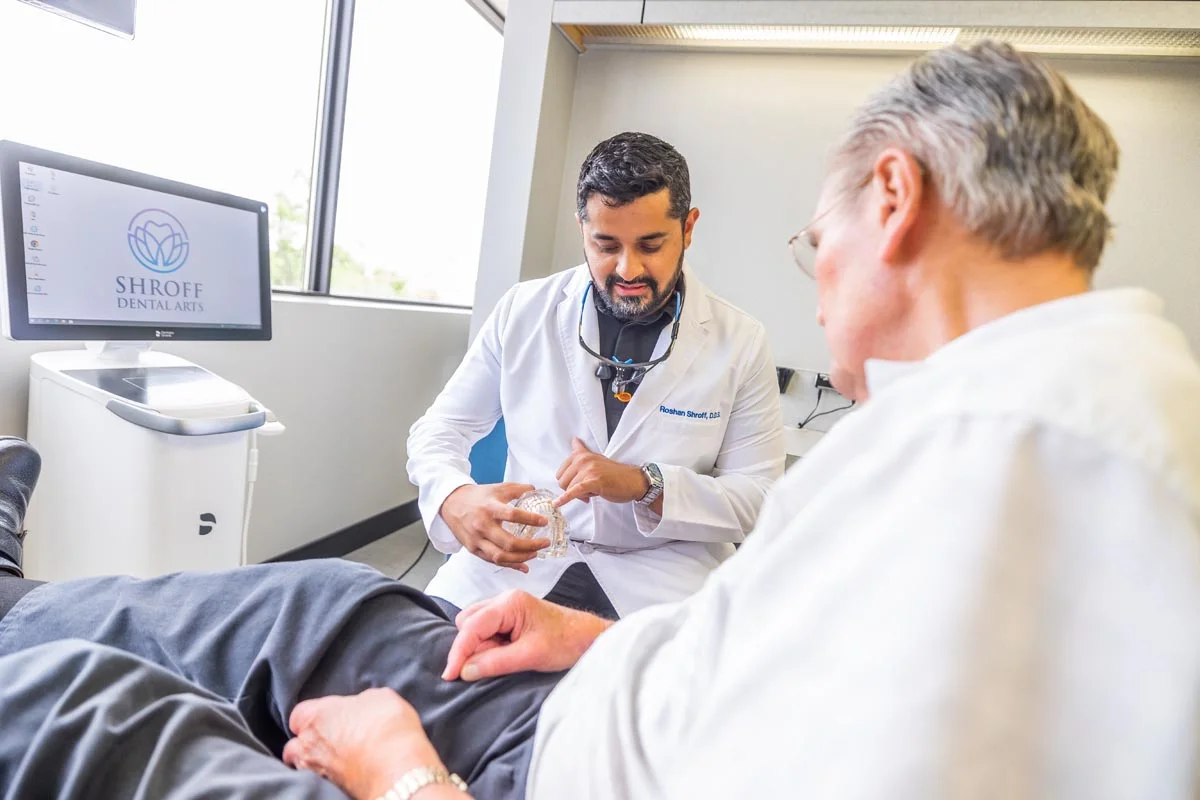
Dr. Shroff, who has advanced training in root canal therapy, explains each step before it happens and checks in with you throughout, so there are no surprises. He performs the diagnosis, carries out the treatment, and sees you at any follow-up, and the tooth is typically finished with a tooth-colored, metal-free crown.
Cost, Insurance, and Payment Options
Root canal cost in Centennial, CO varies based on which tooth is treated and the complexity of the case. Molars have more roots than front teeth and generally take longer to treat. Dr. Shroff reviews the specifics at your evaluation so you know what to expect before treatment begins.
For patients with PPO coverage, Shroff Dental Arts accepts Delta Dental, Cigna, Aetna, MetLife, UnitedHealthcare, Anthem BC/BS, Guardian, and other major carriers. The team can help you understand your benefits before your appointment.
Patients without insurance have two options worth knowing about:
- Membership plan: The in-house plan covers two exams and cleanings per year, routine X-rays, and includes 10% off other treatments including restorative procedures. Ask about current plan details when you call.
- CareCredit: Financing is available through CareCredit for patients who prefer to spread the cost of treatment over time.
The full restorative dentistry menu covers additional options if this tooth needs further work down the road.
Frequently Asked Questions About Root Canal Therapy
Does a root canal hurt?
The procedure itself is done under local anesthesia, so most patients feel pressure rather than pain. Many people find that a root canal relieves the throbbing ache that brought them in rather than causing new discomfort. If you are anxious about the appointment, ask about sedation options when you call.
How many visits does root canal therapy take?
Most root canals are completed in one or two visits, depending on the severity of the infection and the tooth involved. Dr. Shroff will give you a clear timeline after reviewing your X-rays at the evaluation appointment.
Will I need a crown after a root canal?
In most cases, yes. A crown protects the treated tooth from cracking under normal chewing pressure. Because Shroff Dental Arts uses CEREC technology, the crown can often be designed and placed in the same visit rather than requiring a second appointment and a temporary.
How do I know if I need a root canal or just a filling?
A filling addresses decay that has not yet reached the inner pulp of the tooth. If the pulp is infected or inflamed, often signaled by persistent pain, sensitivity to heat, or a bump on the gum, a root canal is typically needed instead. Dr. Shroff will review your X-rays and examine the tooth before recommending any treatment.
Visit Us in Centennial
Stop the Pain Before It Gets Worse
An infected tooth is not something to wait on. Call the office to schedule an evaluation in Centennial, CO, and Dr. Shroff will review your X-rays, explain exactly what he finds, and walk you through the options before any treatment begins.