
Tooth Extractions in Centennial, CO
Comfortable Tooth Removal When a Tooth Cannot Be Saved
Dr. Shroff will always try to preserve your teeth when he can because your natural ones are crucial to maintaining your oral health. However, there are situations when one simply can’t be saved. If that turns out to be the case for you, then our Centennial dental team will intervene with an extraction to keep your mouth as healthy as possible. If you’d like to learn more about this emergency dental service, you’re welcome to read on or give us a call.
Why Choose Shroff Dental Arts for Tooth Extractions?
- Same-Day Emergency Dental Appointments
- Several Dental Sedation Options Available
- Multiple Tooth-Replacements to Choose From
Reasons Why Tooth Extractions Are Necessary

As we mentioned above, removing your tooth is never our first option. There are some cases where it’s our only one, however. For example, we will suggest an extraction if you face one (or more) of the following:
- A spreading tooth infection
- Dental overcrowding
- Severe tooth damage or decay
- A wedged or stuck “baby” tooth
The Process of Removing a Tooth
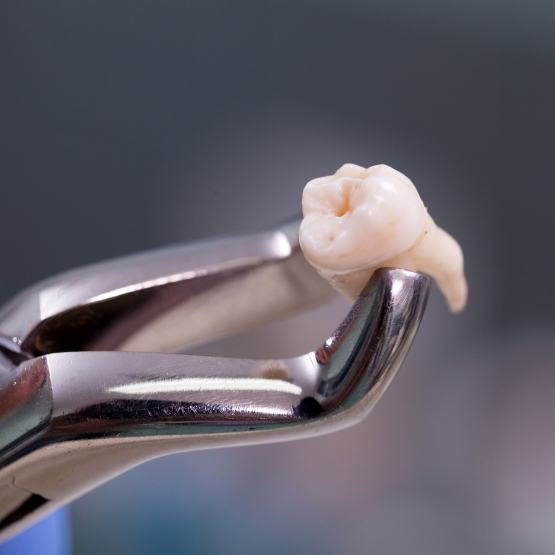
There are two types of tooth extractions. The first is a simple extraction, which is when the tooth is gently rocked loose until it’s ready to be removed. The second is a surgical extraction, which requires a small incision to be made so the tooth in question can be assessed and removed piece by piece. Rest assured, your mouth will be numbed thoroughly beforehand. So, you won’t feel any pain or discomfort during the treatment process.
Tooth Extraction Aftercare

Following your tooth extraction, there are a few things you need to do (as well as a few things you should avoid) to ensure you don’t experience any obstacles during the healing period, like a dry socket. For example, we recommend:
- Changing the gauze pads as needed
- Taking prescribed or OTC pain medication as directed
- Brushing and flossing carefully around the extraction site
- Not using a straw, spitting, or smoking
- Eating extremely soft foods, like plain yogurt and applesauce
- Drinking plenty of water to stay hydrated
If you notice anything abnormal in the days following your appointment, like that your symptoms seem to be getting worse instead of better, then call us ASAP.
Are you interested in learning more about tooth extractions, including if you need one? If so, get in touch with us so we can get an appointment for you on the calendar!
Understanding the Cost of Tooth Extractions
Understanding the cost of tooth extractions isn’t always easy, but your dental team in Centennial is dedicated to transparency and helping you save as much money as possible. We’d be happy to answer any of your financial questions over the phone or during an in-person consultation. In the meantime, you can read up on the information we’ve put together below to get an idea of the costs that could be involved in your tooth extraction.
Factors That Can Affect Tooth Extraction Cost

The cost of your tooth extraction in Centennial will ultimately depend on the details of your oral situation. For example:
- If you only need to remove one tooth, you’ll pay less than someone who needs to remove multiple teeth.
- Back molars are more difficult to extract, and tend to cost more than front incisors.
- Simple extractions that “simply” involve gently tugging a tooth loose are less expensive than surgical extractions (which will require your dentist to make a small incision in your gumline).
- Different tooth replacement solutions are associated with different costs, so the type you ultimately choose will impact your overall expenses.
Rest assured, Dr. Shroff will discuss factors like these with you during your consultation.
Does Dental Insurance Cover Tooth Extractions?
Most dental insurance plans provide somewhere between 50% - 80% coverage for tooth extractions. The exact amount of coverage you receive will likely depend on whether your treatment is considered a “major restoration” or a “minor restoration.” Fortunately, we accept the vast majority of PPO dental insurance plans, and can help you navigate your benefits so you know what to expect for your out-of-pocket expenses.
Other Options for Making Tooth Extractions Affordable

Even if you don’t have a dental insurance plan, we can still help you make your tooth extraction in Centennial more affordable with CareCredit financing or our in-house membership plan.
- CareCredit provides a variety of monthly payment plans at little-to-no interest. We find that they have good acceptance rates, and many of our patients appreciate being able to spread their treatment costs out over multiple paychecks.
- Enrolling in our in-house membership plan entitles you to discounts on our services. We have multiple plans to choose from, and don’t apply restrictions like waiting periods, deductibles, or annual maximums.
Tooth Extraction FAQs
Does Getting a Tooth Extracted Hurt?
Dr. Shroff and our Centennial dental team want you to be comfortable! We will thoroughly numb your mouth before your extraction. Although you may feel some pressure during the procedure, you should not experience any real pain. For particularly nervous or sensitive patients, sedation may be an option.
After any sedation or anesthesia wears off, your mouth may be sore for a few days. Pain relievers, a modified diet, and plenty of rest can minimize any discomfort. Our team will provide detailed post-op instructions to help you enjoy a smooth recovery period.
Is There an Alternative to a Tooth Extraction?
In some cases, tooth extractions can be avoided with the help of restorative procedures. For example, root canal therapy and a crown can preserve many damaged teeth.
Dr. Shroff will explore such options before recommending a tooth extraction. Typically, tooth removal is only advised in cases where it would be impractical or even impossible to save a tooth.
What Are My Options for Replacing a Missing Tooth?
Some popular tooth replacement options include:
- These removable prosthetics can look very natural and restore some of your bite strength.
- Fixed bridge. A bridge is bonded onto your remaining natural teeth. It can be both sturdy and aesthetically pleasing.
- Dental implants. Implants replace lost teeth from the roots up. Because they mimic the structure of natural teeth, they are very strong and durable. Due to the many benefits they offer, we often recommend them as the best form of tooth replacement.
Can I Leave the Space Empty After a Tooth Extraction?
In most cases, it is not wise to leave the space empty after a tooth extraction. An empty space in your mouth could lead to numerous complications. For example, your remaining teeth could drift out of place; this could interfere with your bite and might even lead to additional tooth loss. In contrast, timely tooth replacement with a dental implant can serve as a placeholder for your other teeth and help to keep your jawbone strong and whole.
How Should I Prepare for My Tooth Extraction?
Some practical steps that you might take before your extraction include:
- Talk to us. If you have questions or concerns about your procedure, please bring them up with our team!
- Follow pre-op instructions. If you are going to be sedated with oral conscious sedation, you might need to fast for a while before your appointment.
- Prepare for your recovery. Try to stock up on soft foods, and arrange your schedule so you can get adequate rest during the first few days after your procedure.
- Arrange for a ride. If you will use oral conscious sedation, you should have a trustworthy adult drive you to and from your appointment.